

Have you ever wondered how some people manage to achieve that perfect, flavorful crust on their steak? It’s a delightful experience when you see a beautifully seared piece of meat that not only looks amazing but also boasts rich flavors. If you’re eager to master the art of steak searing, you’ve come to the right place. Let’s get started!
Understanding the Basics of Searing
Before you grab your steak and start cooking, it’s essential to understand what searing actually is. Searing is the technique of cooking the surface of food at high temperatures, creating a golden-brown crust that locks in flavors and juices.
When you sear meat, a chemical reaction called the Maillard reaction occurs. This is a complex process where sugars and amino acids react to produce that beautiful brown color and a depth of flavor. Learning how to achieve the perfect sear can transform your homemade meals into gourmet experiences.

Choosing the Right Cut of Steak
Not all steaks are created equal, and if you want to get the best crust, starting with the right cut is crucial. Here are some popular options that sear beautifully:
| Steak Cut | Characteristics | Ideal Cooking Method |
|---|---|---|
| Ribeye | Marbled and tender with rich flavor | Searing |
| New York Strip | Lean yet juicy with a good balance of fat | Searing |
| Filet Mignon | Tender and buttery with a mild flavor | Searing at medium-high |
| T-Bone | Combo of filet and strip; rich and flavorful | Searing then finishing |
| Porterhouse | Similar to T-bone but larger, flavorful | Searing |
Choosing a cut that has a good amount of fat will contribute to a more flavorful crust. Look for a steak with marbling, as the fat renders during cooking, infusing the meat with flavor.
Preparing Your Steak for Searing
Now that you have selected a fantastic cut, it’s time to prepare it properly. The steps might seem simple, but they are essential for locking in that perfect crust.
-
Let It Rest: Take your steak out of the refrigerator and let it sit at room temperature for 30 to 60 minutes before cooking. This allows the meat to cook more evenly.
-
Pat It Dry: Use paper towels to pat the steak dry. Removing excess moisture is important; moisture will steam the meat rather than allow it to sear properly.
-
Season Generously: A good amount of salt and freshly cracked black pepper goes a long way. Season both sides of the steak; this not only flavors the meat but also enhances the crust formation.
Choosing the Right Cooking Surface
When it comes to achieving the best sear, the cooking surface you choose plays a significant role. Here are a few popular options and why they work:
| Surface | Benefits | Considerations |
|---|---|---|
| Cast Iron Skillet | Retains and distributes heat evenly; great for high temperatures | Heavier and requires seasoning |
| Stainless Steel | Durable and non-reactive; can reach high heat quickly | Needs to be preheated properly |
| Grill | Adds a smoky flavor while searing | Requires careful temperature control |
| Nonstick Skillet | Easiest cleanup but less effective for high heat | Not best for high-temperature searing |
Cast iron skillets are often favored because they retain heat exceptionally well, which is key to getting that beautiful crust. However, if you prefer grilling, make sure your grill is preheated and the grates are clean.
The Science of Heat
Understanding how heat works is vital to mastering the art of searing. To get that perfect crust, you need to follow these temperature guidelines:
-
High Heat: For searing, you generally want the cooking surface to be between 400°F to 500°F (204°C to 260°C). This allows the Maillard reaction to occur quickly, leading to a rich, appealing crust.
-
Medium Heat: After the initial searing, you can lower the heat to medium to ensure the insides of the steak cook properly without burning the crust.

Oil Selection
Choosing the right oil can significantly affect the outcome of your searing. Here are a few popular options:
| Oil Type | Smoke Point (°F) | Notes |
|---|---|---|
| Avocado Oil | 520 | High smoke point; neutral flavor |
| Grapeseed Oil | 420 | Good for high-heat cooking; light flavor |
| Canola Oil | 400 | Widely available; neutral flavor |
| Olive Oil | 375 | Flavorful but lower smoke point |
Using an oil with a high smoke point is crucial, as it can withstand the high heat needed for searing without breaking down. Avoid using butter alone, as it can burn at high temperatures.
Searing Your Steak
Now, let’s get into the steps for actually searing your steak. Follow these for the best results:
-
Preheat Your Cooking Surface: Heat your skillet or grill on high heat for several minutes until it reaches the desired temperature. You can test this by flicking a few drops of water onto the surface; they should dance and evaporate immediately.
-
Add Oil: Once your surface is hot, add a small amount of oil. You want just enough to lightly coat the bottom. Swirl it around to ensure even coverage.
-
Place the Steak: Gently place your steak in the skillet or on the grill. Avoid moving or pressing down on it; this can release valuable juices.
-
Sear One Side: Allow the steak to sear for around 2 to 4 minutes without touching it. The goal is to form a brown crust. Check that the crust has formed before flipping.
-
Flip It Over: Using tongs, gently flip the steak to the other side. You should see a beautifully caramelized crust on the surface. Sear for an additional 2 to 4 minutes.
-
Check the Temperature: After both sides are seared, it’s time to check the internal temperature. For medium-rare, aim for 130°F (54°C); for medium, aim for 140°F (60°C). Use an instant-read thermometer for accuracy.
-
Finish Cooking: If your steak isn’t quite there yet, consider reducing the heat to medium and continuing to cook, flipping occasionally until it reaches the desired temperature.
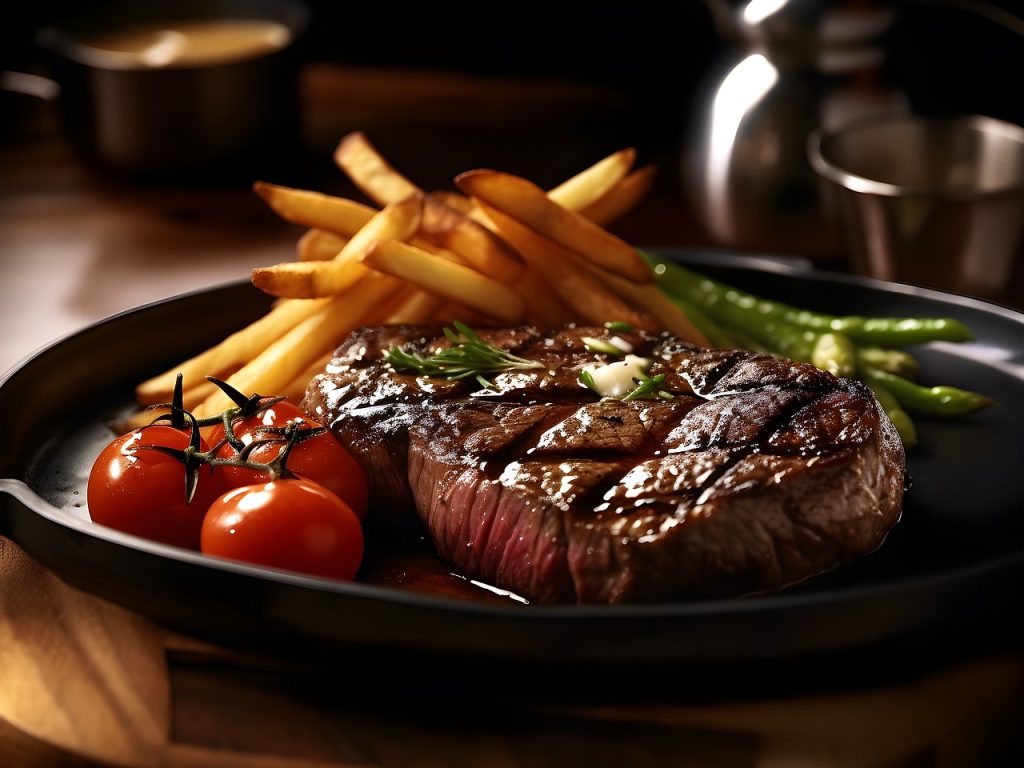
Resting Your Steak
Once your steak is perfectly cooked, it’s essential to let it rest. This allows the juices to redistribute throughout the meat. Here’s how to do it:
-
Remove from Heat: Transfer the steak to a cutting board or plate.
-
Tent with Foil: Lightly cover it with aluminum foil to keep it warm while it rests.
-
Wait: Allow it to rest for at least 5 to 10 minutes. This step is often overlooked, but it’s important for a juicy steak.
Slicing and Serving
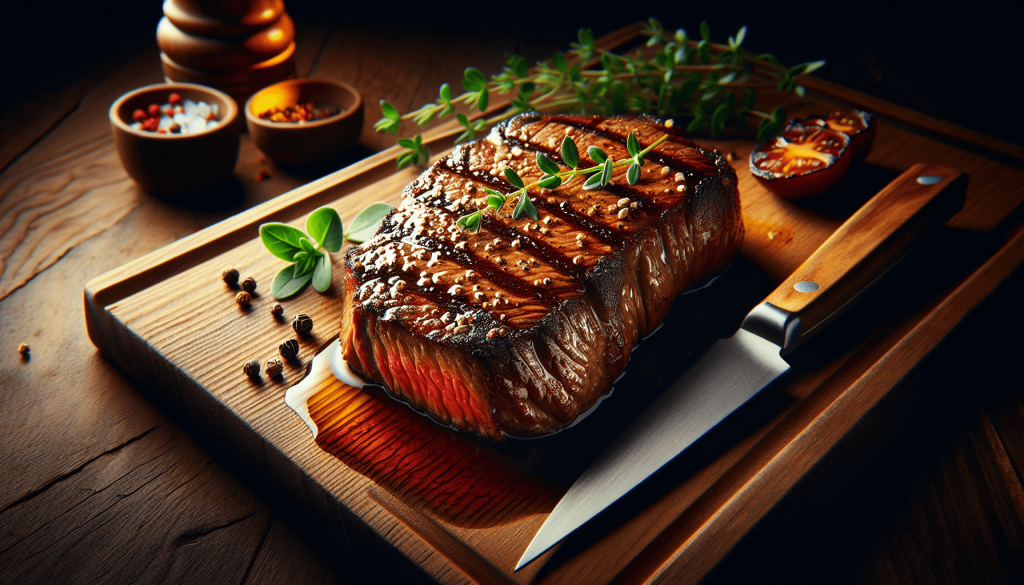
Slicing your steak correctly is just as important as how you cook it. Here are some tips to ensure your steak is served optimally:
-
Identify the Grain: The grain refers to the direction of the muscle fibers. Slicing against the grain results in tenderness.
-
Use a Sharp Knife: A sharp knife will make cleaner cuts and won’t shred the meat.
-
Cut in Thin Slices: Slice the steak into thin pieces for an appealing presentation and easier eating.
-
Serve with Sides: Don’t forget to pair your steak with delicious sides, such as grilled vegetables, mashed potatoes, or a fresh salad.
Common Mistakes to Avoid
As you embark on your steak searing journey, be aware of some common mistakes that could affect your results:
-
Not Preheating the Pan: This can lead to steaming rather than searing. Make sure your surface is hot enough before adding the steak.
-
Crowding the Pan: When you cook multiple steaks at once, it lowers the temperature of the surface. Sear in batches if needed.
-
Using Low-Quality Meat: Investing in good quality meat can make a world of difference regarding flavor and tenderness.
-
Skipping the Resting Step: Cutting into your steak immediately can cause it to lose its juices, making it dry.
Pairing Flavors: Sauces and Seasonings
To elevate your steak experience, consider adding sauces or seasoning. Here are a few ideas:
| Sauce/Seasoning | Flavor Profile | Best Paired With |
|---|---|---|
| Chimichurri | Herbal and tangy | Grilled steaks like flank or skirt |
| Béarnaise Sauce | Rich and buttery | Filet mignon or ribeye |
| Garlic Butter | Savory and aromatic | Any steak, especially grilled cuts |
| Blue Cheese Crust | Creamy and tangy | Ribeye or New York strip |
Adding sauces can provide an exciting twist to your dish. Experiment with different flavors to find your perfect match!
Conclusion: Mastering the Perfect Sear
There’s no denying that mastering the perfect sear on your steak takes practice, but with the right techniques, equipment, and a commitment to understanding the process, you can achieve mouthwatering results every time.
Remember, it’s not just about cooking meat; it’s about creating an experience. The process of preparing, searing, resting, and finally slicing your steak is as rewarding as the final result. Enjoy the journey, share it with friends or family, and celebrate those delicious moments at the dinner table! With patience and practice, the perfect crust will soon be a staple in your cooking repertoire. Happy searing!