
Have you ever found yourself in the kitchen, staring at a pile of ingredients, wondering how to turn them into something delicious? Sautéing might just be your answer! This cooking method is not only quick and easy but also an essential skill that can elevate your culinary creations.
Understanding Sautéing
Sautéing is a cooking technique that involves cooking food quickly in a small amount of fat over relatively high heat. This method allows for the development of deep flavors while retaining the food’s texture and moisture. You’ll often hear sautéing recommended for vegetables, meats, and even some grains. By mastering this technique, you can whip up impressive meals in no time.
The Science Behind Sautéing
The term “sauté” comes from the French word “sauter,” which means “to jump.” This refers to the way food moves around in the pan during cooking, helping to create a nice sear on the outside while keeping the inside tender. As you heat the pan and add fat, the cooking process begins. Here’s what happens:
- Heat Transfer: The hot surface of the pan cooks the food quickly.
- Moisture Release: Food releases moisture, which can help with flavor development.
- Maillard Reaction: This chemical reaction occurs between amino acids and sugars when food is browned, resulting in delicious flavors and a nice color.
Benefits of Sautéing
Sautéing offers several benefits that make it a go-to technique for many home chefs:
- Quick Cooking Time: Meals can be prepared in under 30 minutes, making it ideal for busy schedules.
- Preserved Nutrients: Cooking quickly at high heat helps maintain the nutritional value of vegetables.
- Flavor Enhancement: The high heat caramelizes sugars, creating complex flavors and aromas.
- Versatility: You can sauté almost anything—vegetables, proteins, and even grains.
Essential Equipment for Sautéing
Before you start sautéing, it’s crucial to have the right tools. Here’s what you’ll need:
| Equipment | Description |
|---|---|
| Skillet | A flat-bottomed pan is best for good heat distribution. Choose a non-stick or stainless-steel skillet for optimal results. |
| Spatula | A sturdy spatula or wooden spoon helps you turn and mix your ingredients without scratching the pan. |
| Tongs | If you’re sautéing larger pieces of meat, tongs provide a firm grip for flipping. |
| Lid | A lid can help trap heat and moisture when cooking certain dishes. |
Choosing the Right Pan
Selecting the right skillet can make all the difference in your sautéing technique. Here are a few options to consider:
- Non-Stick Skillets: Great for cooking delicate items like fish and eggs, they require less oil and are easy to clean.
- Stainless-Steel Skillets: Ideal for achieving a good sear on meats, they hold heat well and promote browning.
- Cast Iron Skillets: Perfect for high-heat cooking and retaining heat, cast iron pans are fantastic for meats and vegetables.
Ingredients You Can Sauté
You might wonder what you can sauté. The good news is that almost any ingredient can be sautéed! Here are some common ones:
Vegetables
Vegetables are a fantastic choice for sautéing, as it brings out their natural sweetness and flavor. Some popular options include:
- Bell Peppers: Sweet and colorful, they cook up nicely and add a crunchy texture.
- Zucchini: This vegetable softens quickly and absorbs flavors well.
- Mushrooms: They release moisture, adding depth to your sautéed mix.
Proteins
Meats are often sautéed to achieve a beautiful golden-brown crust. Some great protein options include:
- Chicken Breasts: Thinly sliced or pounded to even thickness work best for quick cooking.
- Shrimp: They sauté quickly and add a delightful pop of flavor.
- Tofu: A great plant-based protein, tofu absorbs the flavors of the ingredients and sauces around it.
Aromatics
Don’t forget to add aromatics to your sauté! They provide a foundational flavor. Some essential options:
- Garlic: Freshly minced or sliced garlic brings an incredible aroma.
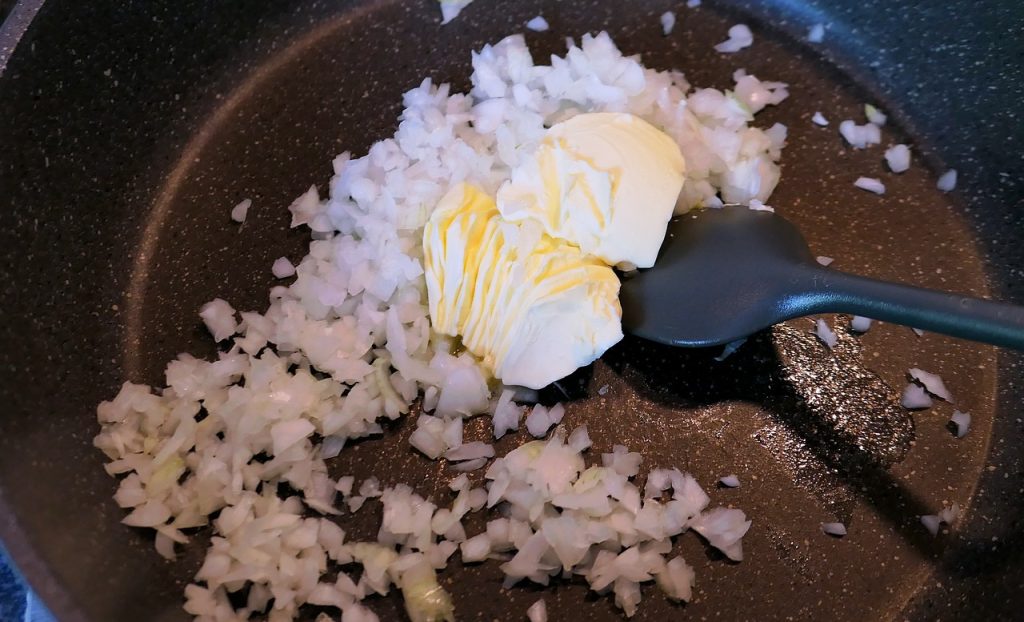
- Onions: Sautéed onions provide sweetness and depth to your dishes.
- Ginger: For a zingy kick, fresh ginger is a fantastic addition, especially in Asian-inspired dishes.
Essential Techniques for Sautéing
Understanding the key techniques will help you sauté like a pro in your kitchen. Let’s take a closer look at some essential steps.
Prepping Your Ingredients
Good preparation is half the battle! Make sure to:
- Chop Evenly: Cut your ingredients into uniform pieces to ensure even cooking.
- Dry Your Ingredients: Pat vegetables and proteins dry with paper towels. Excess moisture can lead to steaming rather than sautéing.
- Gather Everything: Have all your ingredients ready to go before you start cooking. This helps you work quickly and efficiently.
Heating the Pan
Getting the right temperature is crucial for effective sautéing. Here’s how to do it:
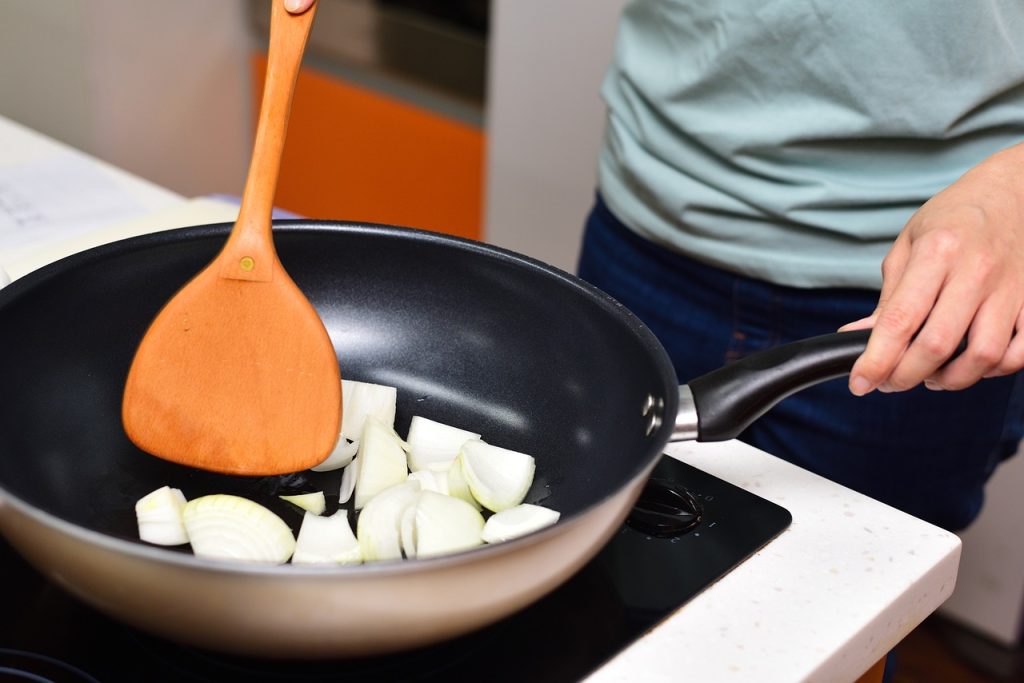
- Place your skillet on medium-high heat.
- Allow your pan to heat for a couple of minutes before adding oil.
- Test the pan’s readiness by sprinkling a few drops of water. If they dance and evaporate quickly, you’re ready to add your oil.
Adding Fat
Choose a fat that complements your ingredients. Here’s a quick guide:
- Olive Oil: Great for cooking vegetables and fish, offers a fruity flavor.
- Butter: Adds richness to dishes. You can even mix it with oil to raise the smoke point.
- Ghee: This clarified butter has a higher smoke point and provides a nutty flavor.
Pour in just enough fat to coat the bottom of the pan. Too much oil can lead to greasy food, while too little can result in sticking.
Cooking in Batches
If you’re sautéing several ingredients, consider cooking in batches. Overcrowding the pan can trap steam, and you won’t get that nice sear. Here’s what you can do:
- Cook your ingredient until browned and cooked through.
- Remove it from the pan before adding more.
- Repeat until you’ve sautéed everything.
Stirring and Tossing
You’ll want to keep your food moving in the pan. Stirring or tossing:
- Helps achieve even cooking.
- Prevents burning.
- Promotes even browning.
This is where the spatula and tongs come into play! Use them liberally to prevent sticking and to make sure everything cooks nicely.
Finishing Touches
Once your ingredients are cooked to perfection, you can elevate your dish even further. Consider adding:
- Herbs: Fresh herbs like basil or parsley add brightness to the dish.
- Acids: A squeeze of lemon or a splash of vinegar can brighten flavors.
- Broths or Sauces: Incorporating a liquid at the end can create a delicious sauce.

Common Mistakes and How to Avoid Them
Like any skill, sautéing comes with a learning curve. Here are some common pitfalls and tips to avoid them:
Overcrowding the Pan
Overcrowding can trap steam, leading to soggy results. Instead, cook in batches or use a larger pan to allow space between ingredients.
Skipping the Preheat
Failing to heat the pan properly can result in uneven cooking. Always preheat your pan before adding oil and ingredients.
Using Low Heat
Sautéing is intended to be a high-heat cooking method. If your heat is too low, the food will steam instead of sautéing, resulting in unappealing textures.
Not Drying Ingredients
Excess moisture can result in a watery sauté. Pat your ingredients dry before cooking to achieve the best texture and flavor.
Ignoring Aromatics
Aromatics provide a flavor base for your sauté. Don’t skip this step! Cook them first before adding other ingredients for the best taste.
Delicious Sautéing Recipes to Try
Ready to put your sautéing skills to the test? Here are a couple of delicious recipes to get you started.
Sautéed Garlic Spinach
Ingredients:
- 1 tablespoon olive oil
- 2 cloves garlic, minced
- 8 cups fresh spinach
- Salt and pepper to taste
- Red pepper flakes (optional)
Instructions:
- Heat the olive oil in a skillet over medium heat.
- Add minced garlic and sauté for about 30 seconds until fragrant.
- Add spinach in batches, allowing each batch to wilt before adding more.
- Season with salt, pepper, and optional red pepper flakes.
- Sauté until the spinach is fully wilted. Serve as a side dish or toss with pasta!
Chicken and Vegetable Stir-Fry
Ingredients:
- 1 pound chicken breast, thinly sliced
- 2 tablespoons soy sauce
- 1 tablespoon sesame oil
- 2 cups mixed vegetables (broccoli, bell peppers, and carrots)
- 2 cloves garlic, minced
- Cooked rice or noodles, for serving
Instructions:
- In a bowl, marinate the chicken in soy sauce for 10 minutes.
- Heat sesame oil in a large skillet over medium-high heat.
- Add marinated chicken and sauté until browned and cooked through.
- Remove chicken and set aside. In the same skillet, add garlic and mixed vegetables.
- Sauté until vegetables are tender-crisp. Return chicken to the skillet and toss to combine.
- Serve over rice or noodles.
Conclusion
Now that you’ve learned the ins and outs of sautéing, it’s time for you to put your skills to the test! Remember, practice makes perfect, so don’t be discouraged if your first attempts aren’t flawless. As you cook, you’ll become more comfortable with the technique, building your confidence in the kitchen.
Embrace the joy of sautéing and savor the many delicious flavors you can create. Happy cooking!