

Have you ever wondered how to achieve the perfect crust on your steak? The sizzling sound, the tantalizing aroma – it all begins with the right searing techniques. You’re about to discover the secrets that will elevate your cooking game and make your steak an unforgettable experience.
Understanding Searing
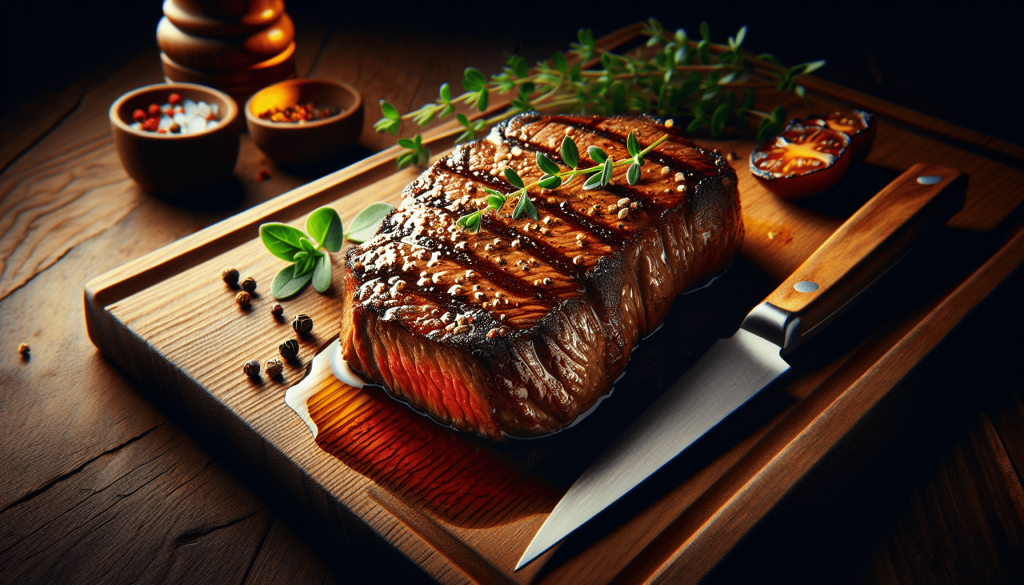
Searing is a cooking technique that involves cooking the surface of the meat at high heat. This process caramelizes the meat’s natural sugars, creating a savory, complex flavor that enhances your dish. While it may look like a simple process, there are nuances that can make a significant difference in the outcome.
The Science Behind Searing
At the core of perfect searing lies a fascinating scientific phenomenon known as the Maillard reaction. This process occurs when proteins and sugars in the meat react to high heat, producing that beautiful brown crust you crave. Understanding this reaction will help you grasp why certain techniques yield better results than others.
Choosing the Right Cut of Steak
Not all steaks are created equal. The cut you choose can greatly affect how well it sears. Let’s look at some popular cuts.
| Cut | Characteristics | Ideal Cooking Method |
|---|---|---|
| Ribeye | Rich marbling, juicy, flavorful | Searing, grilling |
| New York Strip | Tender, good balance of fat and meat | Searing, grilling |
| Filet Mignon | Extremely tender, low fat content | Pan-searing |
| T-bone | Combination of filet and strip, great flavor | Grilling, broiling |
| Porterhouse | Larger version of T-bone, rich flavor | Grilling, reverse searing |
Choosing a good cut with adequate marbling is key. Marbling contributes to flavor and tenderness; therefore, it’s often best to choose a steak that has visible stripes of fat running through it.
Preparing Your Steak
Preparation is crucial to achieving that coveted crust on your steak. Here’s what you need to do.
Bring It to Room Temperature
Before you sear, take your steak out of the fridge and allow it to come to room temperature. This usually takes about 30 minutes. If you cook it straight from the fridge, the meat will be cold, resulting in uneven cooking. Room temperature meat allows for a better sear and more even doneness throughout.
Pat It Dry
Moisture is the enemy of a good sear. Use paper towels to pat the surface of the steak dry. Removing excess moisture prevents steaming, which can hinder that beautiful browning effect.
Season Generously
Seasoning is essential. Use a good amount of salt and pepper to enhance the natural flavors of the meat. For an 1-inch thick steak, aim for about half a teaspoon of kosher salt on each side. Feel free to add garlic powder, onion powder, or fresh herbs for added flavor. Remember to season just before cooking; this way, you ensure the flavors stay on the meat rather than in the salt.
The Right Tools for Searing
Having the right tools can make the searing process much easier and more effective. Here’s what you’ll need.
Pan Selection
The type of pan you use can affect the searing process. Here are three popular options:
- Cast Iron Skillet: Retains heat exceptionally well, enabling you to get a perfect crust.
- Stainless Steel Pan: Provides excellent heat conduction, but be wary of sticking.
- Non-Stick Pan: Not recommended for searing as it doesn’t reach high temperatures efficiently.
For the best results, a cast iron skillet is often the top choice due to its heat retention and ability to reach high temperatures quickly.
Tongs and Spatula
Use tongs for turning and handling your steak. They give you a firm grip while allowing you to flip the steak without piercing it, which keeps the juices inside. A spatula might be useful for gently lifting the steak off the pan.
Instant-Read Thermometer
Investing in an instant-read thermometer can save the day. It helps you check for doneness so you don’t have to cut your steak open, preserving the juices and tenderness.
The Searing Process
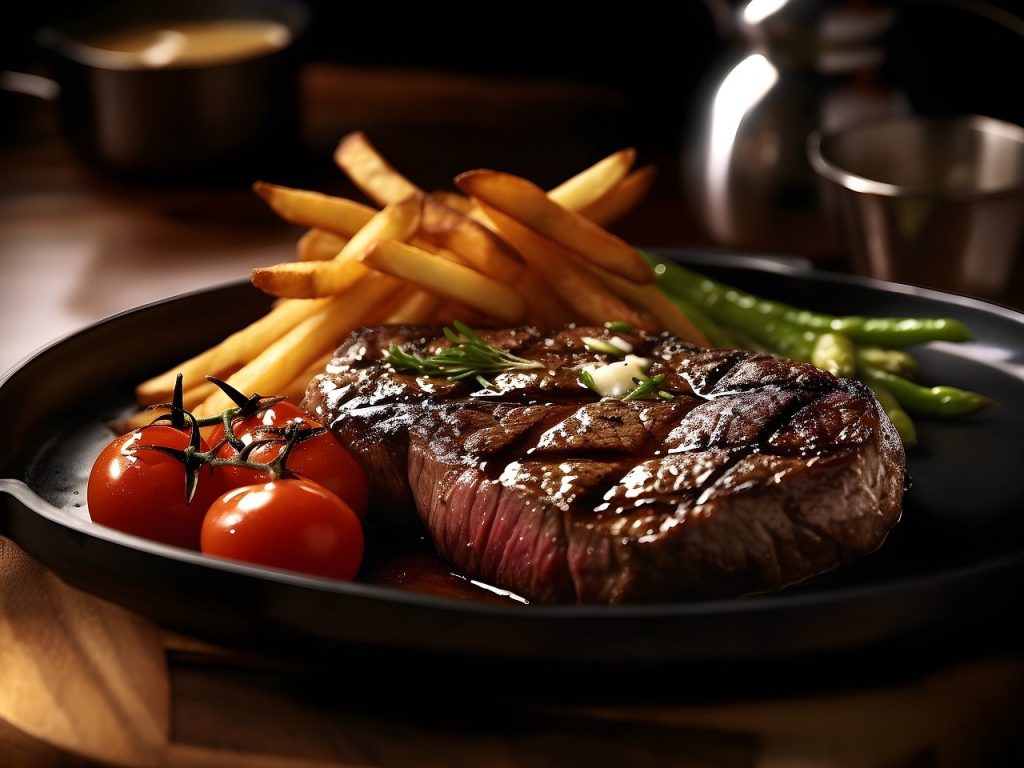
It’s time to get into the heart of the matter—actually searing your steak. Follow these steps to achieve your ideal crust.
Preheat Your Pan
Turn your heat to medium-high, allowing the pan to preheat for several minutes. The pan should be hot enough that a drop of water sizzles and evaporates immediately upon contact.
Add Oil
Once your pan is hot, add a high smoke point oil like canola, grapeseed, or clarified butter. Avoid olive oil, as it burns at high temperatures. Allow the oil to shimmer, indicating that it’s ready for searing.
Placing the Steak in the Pan
Carefully place the steak on one side of the pan. Avoid crowding the pan; if necessary, sear one steak at a time. This helps maintain the heat in the pan and achieves an even sear.
Resist the Urge to Move It
While it might be tempting to fuss over your steak, resist the urge to move it around. Allow it to sear undisturbed for about 3-5 minutes, depending on the thickness of your steak. You’ll know it’s time to flip when it releases easily from the pan and has developed a golden-brown crust.
Flipping the Steak
Using your tongs, gently flip the steak to the other side. If you seared well, you should see that beautiful crust. Let the second side sear for another 3-5 minutes.
Checking for Doneness
This is where your instant-read thermometer comes in handy. Here’s a quick guide to steak doneness:
| Doneness | Internal Temperature | Description |
|---|---|---|
| Rare | 120°F (49°C) | Cool red center |
| Medium Rare | 130°F (54°C) | Warm red center |
| Medium | 140°F (60°C) | Warm pink center |
| Medium Well | 150°F (66°C) | Slightly pink in center |
| Well Done | 160°F (71°C) + | Little to no pink |
Remove the steak from the heat once it reaches about 5°F below your desired doneness, as it will continue to cook while resting.
Putting a Finish on It
To add additional flavor, consider basting your steak with butter during the last minute of cooking. Add a knob of butter alongside garlic cloves and fresh herbs like thyme or rosemary. Tilt the pan slightly, and carefully spoon the melted butter over the steak as it finishes cooking for an extra rich flavor.
Letting It Rest
Once your steak reaches the desired doneness, it’s essential to let it rest for about 5-10 minutes on a cutting board or plate. Resting allows the juices to redistribute within the meat, ensuring each bite is juicy and flavorful.
Slicing Your Steak
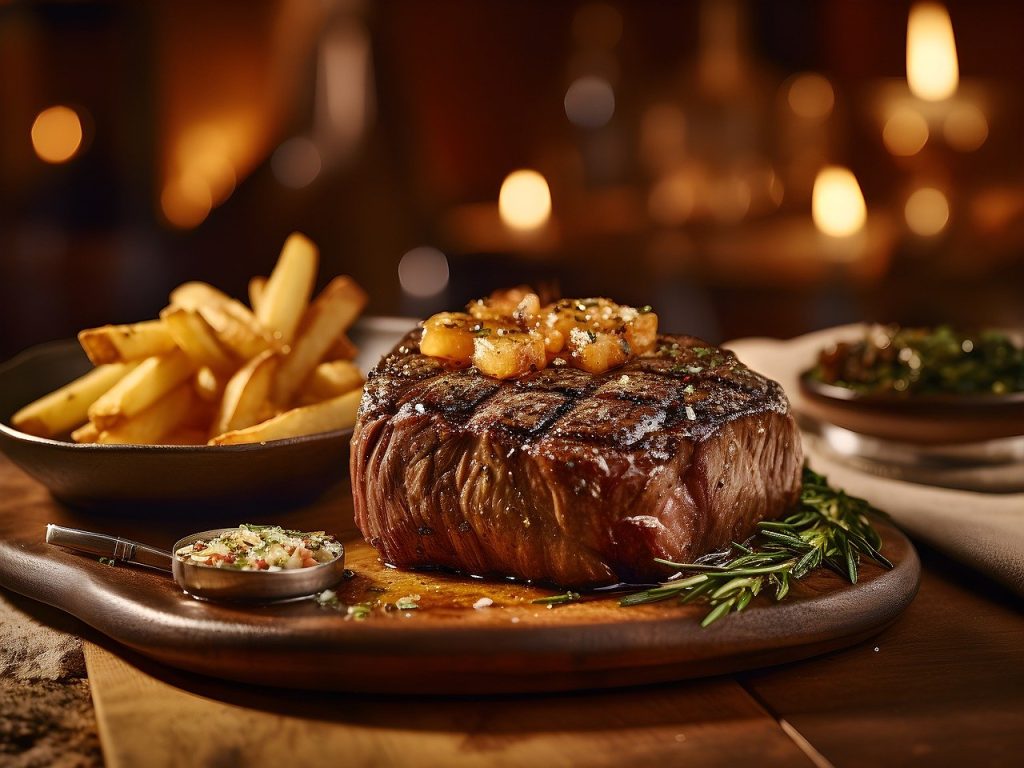
When it’s time to slice your steak, always cut against the grain. This means cutting across the muscle fibers instead of with them. Slicing against the grain results in more tender pieces, enhancing the overall dining experience.
Pairing with Sides
While the focus is on perfecting your steak, consider what sides will complement your dish. Here are a few ideas:
Classic Sides
- Mashed Potatoes: Creamy and comforting, they pair well with steak.
- Grilled Vegetables: Add a touch of smokiness and color.
- Steamed Asparagus: A classic, light side that works beautifully.
Salads
A simple green salad dressed with vinaigrette can complement the richness of the steak without overshadowing it. A Caesar salad, dressed with anchovy and Parmesan flavors, can also provide a great contrast.

Perfecting the Art of Searing
While mastering the techniques of searing takes practice, the rewards are worth the effort. With the right cut, preparation, tools, and techniques, you can achieve an impeccable crust that makes your steak a memorable centerpiece.
Experimenting with Flavors
Don’t hesitate to experiment with flavors and marinades to make your steak experience even more unique. A simple marinade using soy sauce, garlic, and ginger can add depth, as can a dry rub of your favorite spices.
Conclusion
Getting that perfect crust on your steak is an art form worth mastering. The journey begins with understanding the principles of searing, selecting the right cut, preparing your steak properly, and utilizing the right tools. With a few cooking techniques in hand, you’ll find that searing is not just a method but an experience, leading to culinary delights that are sure to impress you and anyone you serve.
With practice, patience, and experimentation, you will turn every steak night into something truly special. So, why not grab that cut of steak, fire up your pan, and start searing? Your taste buds are in for a treat!