
Do you ever wonder if you’re using your chef’s knife to its fullest potential? Mastering the art of using this essential kitchen tool can elevate your culinary skills significantly. Whether you’re chopping vegetables, slicing meats, or creating intricate garnishes, a chef’s knife can make all the difference in your cooking experience. Let’s unlock the secrets of using your chef’s knife like a pro with some helpful tips and techniques.

Understanding Your Chef’s Knife
Before you start using your knife, it’s vital to understand its parts and how they function. This knowledge will help you become more comfortable and skilled when handling this important tool.
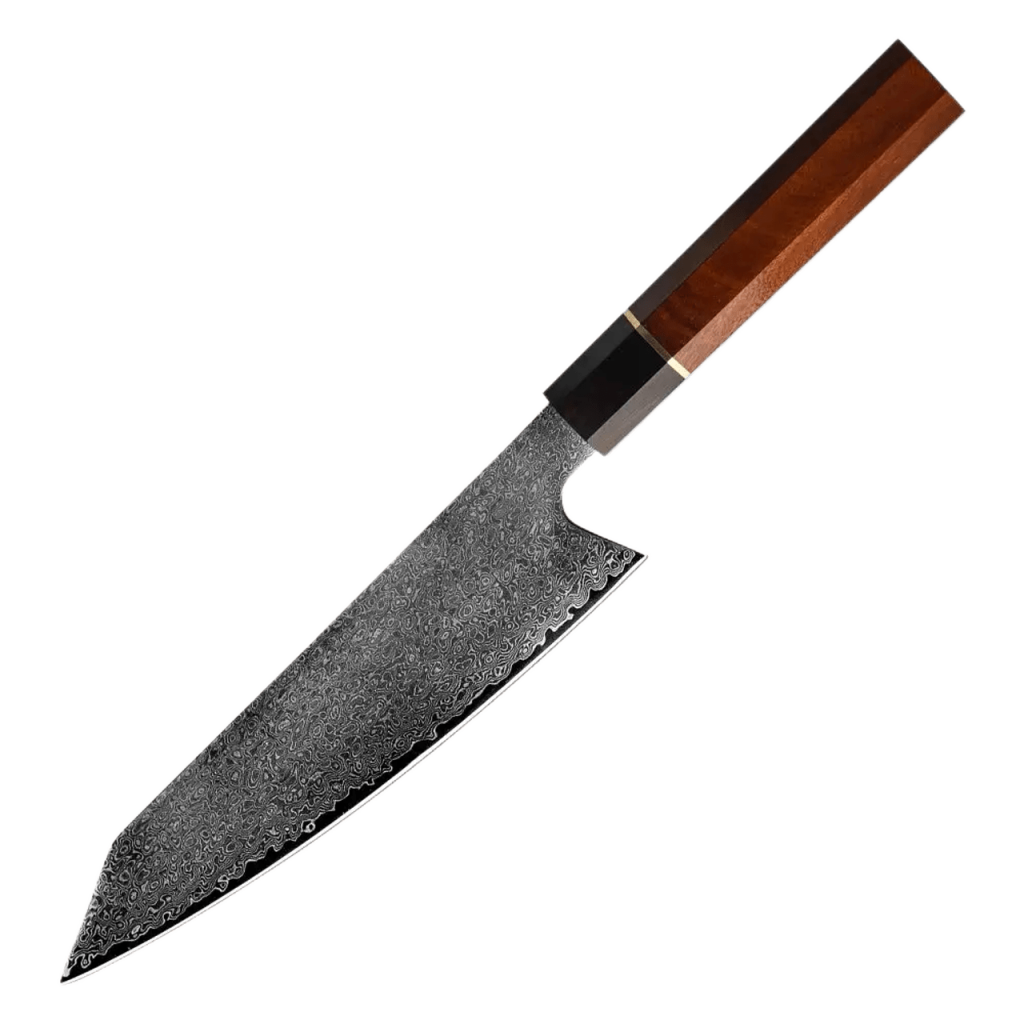
Anatomy of a Chef’s Knife
A typical chef’s knife has several key components:
- Blade: The long, flat section where the actual cutting is done. The blade’s material and design can affect sharpness and durability.
- Edge: The sharpened part of the blade. A good edge allows for clean cuts and efficient slicing.
- Tip: The front end of the blade, which is useful for precision cutting and detailed work.
- Heel: The rear part of the blade, ideal for cutting tasks that require more force, such as slicing through tougher materials.
- Tang: The part of the blade that extends into the handle, providing balance and ensuring that it doesn’t break easily during use.
Understanding these elements is crucial, as they will inform how you use the knife effectively.
Choosing the Right Knife
Not all chef’s knives are created equal, so it’s essential to select one that best suits your needs. Most varieties range from 6 to 12 inches in length. A shorter knife might offer better control for intricate tasks, whereas a longer knife can make it easier to chop larger items.
Make sure to try holding a few different knives before you commit. The handle should feel comfortable in your hand, and you should feel balanced when holding the knife.
How to Hold Your Chef’s Knife
Your grip on the knife can have a substantial impact on your cutting precision and safety.
The Proper Grip
Aim for a grip that feels comfortable but secure. Here are two common grips you can try:
-
Pinch Grip: Pinch the blade just above the handle between your thumb and index finger while wrapping your remaining fingers around the handle. This grip allows for better control and turning.
-
Handle Grip: This grip involves simply holding the handle with all four fingers while resting your thumb on the side of the handle. While simpler, it can offer less control compared to the pinch grip.
Regardless of the grip you choose, your hand’s position should give you confidence and stability as you cut.
Mastering Cutting Techniques
Once you feel comfortable with your knife’s anatomy and grip, it’s time to work on some essential cutting techniques.
The Rocking Motion
The rocking motion is one of the most effective techniques you can learn. Keep the tip of the knife in contact with the cutting board and use a gentle rocking motion to slice through your ingredients. Here’s how to do it:
- Hold the blade at about a 45-degree angle against the board.
- Press the knife down into the food, then gently rock it back while allowing the tip to stay grounded.
- Use a smooth motion to repeat this process until you achieve the desired size for your ingredients.
This technique is particularly useful for chopping herbs or onions, as it helps to create even cuts.
The Push Cut
The push cut technique involves pushing the knife forward into the food item. It works especially well when cutting meats or thicker vegetables like potatoes.
- Begin with the knife at the back of the food item.
- Firmly press down and push forward while guiding the knife through the food.
- Maintain a steady motion to ensure a clean cut.
The Pull Cut
Conversely, the pull cut involves dragging the knife towards yourself, making it effective for delicate items that could be crushed by pressure.
- Place the knife edge against the food.
- Pull the knife towards yourself without lifting it off the cutting board.
- Apply gentle pressure to create clean cuts.
Mastering both push and pull cuts will make your knife skills versatile and efficient in various cooking tasks.
Cutting Techniques for Different Ingredients
Different ingredients may require specialized cutting techniques that can also impact the final presentation of your dishes.
Vegetables
- Chopping: Use the rocking motion to chop vegetables like onions, peppers, and carrots. Aim for uniform pieces to ensure even cooking and a visually appealing dish.
- Julienne: Cut vegetables into long, thin strips by first slicing them lengthwise and then cutting across to achieve the desired thickness.
| Vegetable | Recommended Technique | Final Cut Size |
|---|---|---|
| Carrot | Julienne | Thin strips |
| Onion | Chopping | Cubes |
| Bell Pepper | Chopping | Dice |
Garlic and Herbs
-
Mincing: The goal here is to create tiny pieces for maximum flavor.
- Use the flat side of the knife blade to crush the garlic clove slightly.
- Proceed to chop finely by rocking the knife over the pieces.
-
Chiffonade: A technique primarily used for leafy herbs like basil. Stack the leaves, roll them tightly, and slice across to get thin ribbons.
| Ingredient | Recommended Technique | Final Cut Size |
|---|---|---|
| Garlic | Mincing | Fine pieces |
| Basil | Chiffonade | Ribbons |
Proteins
- Slicing: For meats, ensure the blade hovers parallel to the cutting board, and use a smooth, long motion to create slices. Slicing against the grain will often yield a more tender result.
| Protein | Recommended Technique | Final Cut Size |
|---|---|---|
| Chicken | Slicing | Thin slices |
| Beef | Slicing | Thin strips |
Knife Safety Tips
With great power comes great responsibility, especially in the kitchen. Always prioritize safety while using your chef’s knife.
Stay Focused
Distractions can lead to accidents. Stay focused on what you’re cutting, keeping other tasks or conversations at bay until you’re done.
Keep Your Knife Sharp
A dull knife requires more force, increasing the chance of slipping and cutting yourself. Regularly sharpen your knife and ensure it’s always in good condition.
Use a Cutting Board
Always use a stable cutting board. This provides a secure surface, preventing slips that can lead to injuries. Choose a board made from material suitable for your knife type to maintain its edge.
Caring for Your Chef’s Knife
Good care extends the lifespan of your knife and keeps it functioning at its best.
Cleaning
- Hand Washing: Always hand wash your knife with warm, soapy water and avoid leaving it submerged as this can damage the handle and blade.
- Drying: Immediately dry your knife when cleaned. Water spots can lead to rust.
Sharpening
Regular sharpening will keep your knife in optimal shape. Here are a few methods you can use:
| Sharpening Method | Pros | Cons |
|---|---|---|
| Whetstone | Great for creating a fine edge | Requires practice |
| Honing Steel | Maintains sharpness | Does not sharpen dull knives |
| Professional Service | Expert care | Costly |
Conclusion
Now that you have a greater understanding of how to use your chef’s knife like a pro, it’s time to put these tips into action. With practice, you’ll gain confidence and enhance your culinary skills. Remember, comfort with your knife causes cooking to feel more enjoyable and less daunting. Embrace the journey, keep practicing, and soon, you’ll be slicing and dicing like a seasoned chef. Happy cooking!