
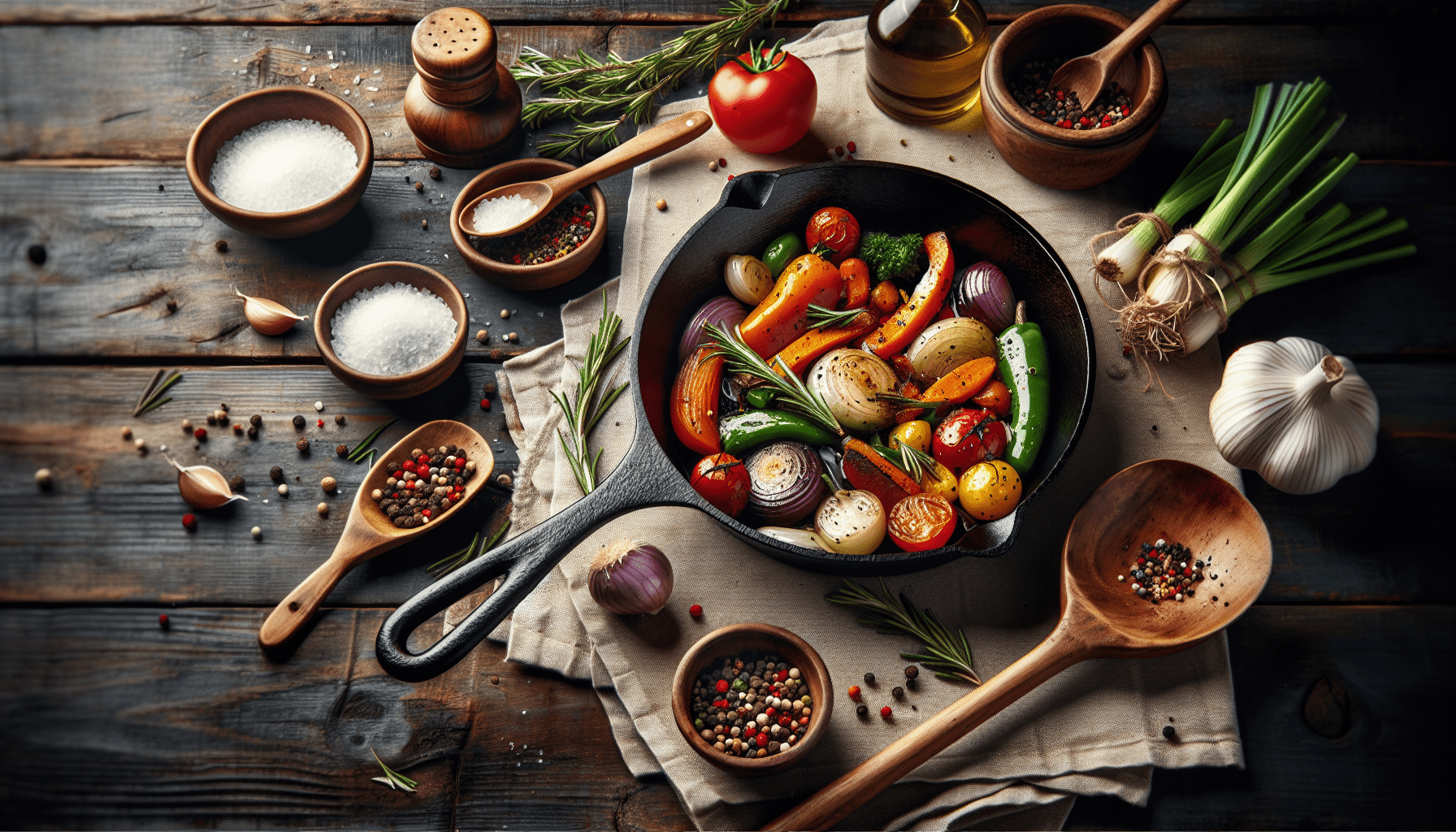
Have you ever wondered what makes cast iron cookware so special? It’s more than just a piece of kitchen equipment; it’s a culinary tool that can elevate your cooking experience to new heights. With the right care and techniques, you can unlock the full potential of your cast iron skillet or Dutch oven. Let’s take a closer look at how to do just that with some tips on care, seasoning, and even a few fabulous recipes.
Understanding Cast Iron Cookware
Cast iron cookware has been a staple in kitchens for generations. Known for its durability and excellent heat retention, it allows you to cook at high temperatures and achieve that perfect sear. But there’s more to it than just throwing it on the stove. The unique properties of cast iron require specific care and handling to ensure it lasts for years and performs brilliantly.
Benefits of Cooking with Cast Iron
Before you jump into the practical tips, let’s take a moment to appreciate why cast iron cookware is worth the investment:
- Versatility: You can use it on the stovetop, in the oven, on a grill, or even over a campfire.
- Longevity: A well-cared-for cast iron pan can last a lifetime, even becoming a family heirloom.
- Heat Distribution: Cast iron distributes heat evenly, reducing hot spots that can burn food.
- Natural Non-Stick Surface: When properly seasoned, cast iron cookware gains a natural non-stick surface that improves with use.
With these benefits in mind, you’re ready to learn how to care for and make the most of your cast iron cookware.
Tip 1: Choosing the Right Cast Iron
Not all cast iron is created equal, so deciding which piece to invest in matters. Here are a few things to consider:
- Type: You can find skillets, Dutch ovens, griddles, and more. Think about what you’ll use most.
- Weight: A thicker piece may provide better heat retention, but it could also be heavier. Choose what feels comfortable for you.
- Quality: Look for reputable brands known for their durable cast iron products, such as Lodge or Le Creuset.
Taking the time to select the right piece will set you up for success in the kitchen.
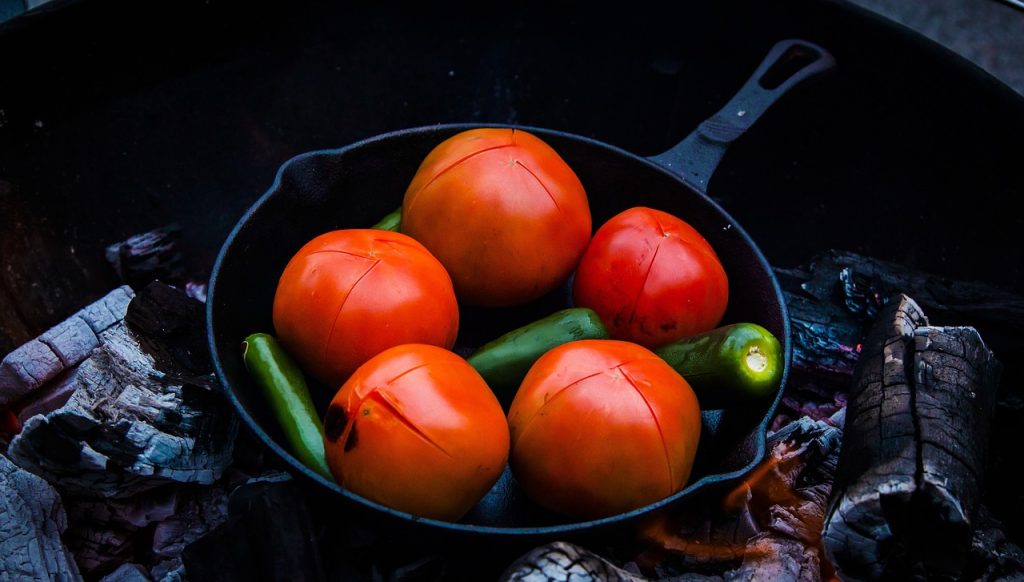
Tip 2: Seasoning Your Cast Iron
The process of seasoning is paramount in maintaining cast iron cookware. It creates a natural, non-stick surface while also preventing rust. Here’s how you can successfully season your skillet:
Steps for Seasoning:
- Clean your skillet: Use warm, soapy water to give it a gentle scrub, then dry it thoroughly.
- Apply oil: Use vegetable oil, flaxseed oil, or a seasoning oil of your choice. Rub it all over the skillet, including the bottom and handle.
- Heat the skillet: Place it upside down in a preheated oven at 375°F (190°C) for about an hour. This allows the oil to bond to the iron.
- Cooling off: Let the skillet cool while still inside the oven.
Repeat this process a few times, and you’ll have a beautifully seasoned piece of cookware ready for cooking.
Tip 3: Daily Care After Cooking
Once you’ve seasoned your cast iron, how you care for it on a daily basis makes all the difference in its longevity.
Cleaning and Maintenance:
- Avoid soap: Typically, avoid using soap as it can strip the seasoning. Instead, just rinse it with hot water.
- Scrub stubborn bits: If you have stuck-on food, use a non-metal brush or a scrub pad designed for cast iron.
- Dry it promptly: After cleaning, dry your skillet on the stove over low heat to prevent rust.
Just these simple habits can help maintain your cast iron’s integrity and seasoning.
Tip 4: Storage Recommendations
How you store your cast iron cookware can also affect its performance and longevity. Here are some storage tips to keep in mind:
- Keep it dry: Always ensure it is thoroughly dried to prevent rust. If necessary, add a light coat of oil before storing.
- Avoid stacking: If you have multiple pieces, try to avoid stacking them directly on top of each other. Use paper towels or cloths in between to prevent scratches on the surface.
With proper storage, your cast iron will be ready whenever you are.
Tip 5: Cooking with Cast Iron
Now that you understand how to care for and maintain your cast iron, let’s talk about cooking! Cast iron is superb for various cooking techniques.
Ideal Cooking Methods:
- Searing: Perfect for steaks and chicken, cast iron provides a gorgeous sear thanks to its heat retention.
- Baking: From cornbread to skillet cookies, you can bake directly in your cast iron. The results are stunning!
- Frying: Use it for frying with oil. Its thick base helps maintain a constant temperature.
Cast iron expands your culinary methods so you can unleash your creativity in the kitchen.

Tip 6: Addressing Rust and Repair
Over time, you might encounter rust, which is a common issue with cast iron if not properly cared for. Luckily, rust can be removed and your cast iron restored. Here’s how:
Steps for Removing Rust:
- Scrub it: Use a steel wool pad to scrub the rusted areas gently until the rust is removed.
- Wash and dry: Rinse and dry thoroughly to eliminate any moisture.
- Reseason: Reseason the skillet following the seasoning method outlined earlier.
Dealing with rust promptly keeps your cast iron in great cooking shape.
Tip 7: Handling Temperature Changes
One of the common mistakes that can harm cast iron is rapid temperature changes. Understanding how to handle your skillet can prevent damage.
Gentle Temperature Changes:
- Avoid high heat: Cast iron heats up quickly. Start on medium heat to avoid overheating.
- Transition smartly: If you move your pan from stovetop to oven, ensure both are at a similar temperature to avoid thermal shock.
Keeping temperature changes gradual ensures your cast iron remains intact and unwarped.
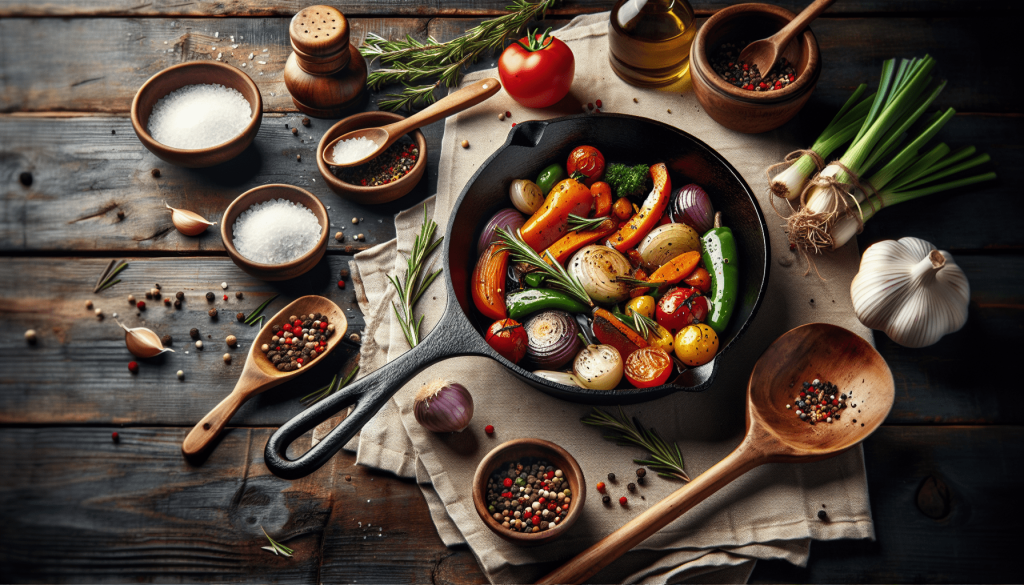
Tip 8: Trying Out Different Recipes
Cast iron cookware offers a myriad of delicious possibilities! Let’s look at some fun recipes you can try with your beloved skillet.
Simple Skillet Recipes:
| Recipe Name | Ingredients | Cooking Time |
|---|---|---|
| Skillet Cornbread | Cornmeal, flour, buttermilk, baking powder, eggs, sugar | 25-30 minutes |
| Cast Iron Chicken | Chicken thighs, olive oil, garlic, rosemary, lemon | 45-50 minutes |
| One-Pan Fajitas | Sliced peppers, onions, chicken, and spices | 30 minutes |
| Dutch Oven Lasagna | Lasagna noodles, marinara sauce, mozzarella, ricotta cheese | 1 hour |
Trying out these recipes will help you become more comfortable using your cast iron cookware.
Tip 9: Cooking for Large Groups
If you love entertaining or cooking for family gatherings, cast iron cookware is an excellent choice due to its size and heat retention.
Tips for Cooking for Groups:
- Use larger skillets or Dutch ovens: They can handle bigger portions, allowing you to serve multiple people at once.
- Multitask: Cast iron conducts heat evenly, so you can prepare multiple components of a meal simultaneously without worrying about uneven cooking.
Your cast iron makes it easy to feed a crowd while bringing out the best flavors in your dishes.
Tip 10: Embracing the Heritage of Cast Iron
Finally, it’s important to appreciate the legacy of cooking with cast iron. It has been used for centuries and holds a unique place in culinary history.
Creating Memories:
- Cook with love: Many people share recipes passed down through generations, adding a personal touch to your meals.
- Share your journey: Engaging friends or family in the process of cooking with cast iron can create lasting memories.
By embracing the heritage of cast iron, you add not just great food, but also tradition to the meals you create.
Conclusion
Successfully cooking with cast iron cookware is not just about the meals you create; it’s about the experience of learning to care for it, seasoning it, and experimenting with various recipes. With the tips outlined above, you’re well on your way to mastering the art of cast iron cooking.
So, get your skillet ready, roll up your sleeves, and enjoy the culinary possibilities your cast iron can bring. You’ll find it can be a fun and rewarding experience that enhances your time in the kitchen. What recipe will you try first?