What do you think sets a great home-cooked meal apart from just an average one? Is it the ingredients, the flavors, or perhaps the techniques used? Mastering essential cooking techniques can truly elevate your culinary skills and transform your everyday cooking into something extraordinary. Let’s look at some fundamental techniques that every home chef should master to create delicious and impressive dishes.
Why Cooking Techniques Matter
Understanding the essential cooking techniques is crucial for any aspiring chef. These techniques form the backbone of culinary practices, allowing you to prepare meals that not only taste great but also look appealing. Whether you’re preparing a simple weeknight dinner or a special occasion feast, having these skills in your toolbox can enhance your confidence and creativity in the kitchen.
1. Knife Skills
Developing proper knife skills is one of the most vital techniques you can master. A well-cut ingredient not only cooks more evenly but can also make your dishes aesthetic.
Understanding Knife Types
Using the right knife for the job is essential. Here’s a basic list of common kitchen knives and their uses:
| Knife Type | Purpose |
|---|---|
| Chef’s Knife | Versatile, for chopping, dicing, and mincing. |
| Paring Knife | Ideal for peeling and intricate work. |
| Serrated Knife | Perfect for cutting bread or soft fruits. |
| Boning Knife | Designed for deboning meat and fish. |
Proper Cutting Techniques
Learn various cutting techniques, such as chopping, mincing, dicing, and julienning. Here’s a simple breakdown:
- Chopping: For larger pieces, keep the tip of the knife on the chopping board while moving the handle up and down.
- Mincing: Use a rocking motion, keeping the tip on the board and moving the handle in a circular motion for herbs or garlic.
- Dicing: First slice your ingredient into strips and then turn them to create small cubes.
2. Cooking Methods: Sautéing and Stir-frying
Sautéing and stir-frying are quick cooking techniques that work without much liquid, often resulting in vibrant flavors and textures.
Sautéing Basics
Sautéing involves cooking food quickly in a little oil or fat over relatively high heat. It’s a great method for vegetables, seafood, or meats.
Tips for Successful Sautéing:
- Preheat your pan to ensure an even sear.
- Use enough oil to coat the bottom of the pan.
- Don’t overcrowd the pan to avoid steaming the food.
Stir-frying Essentials
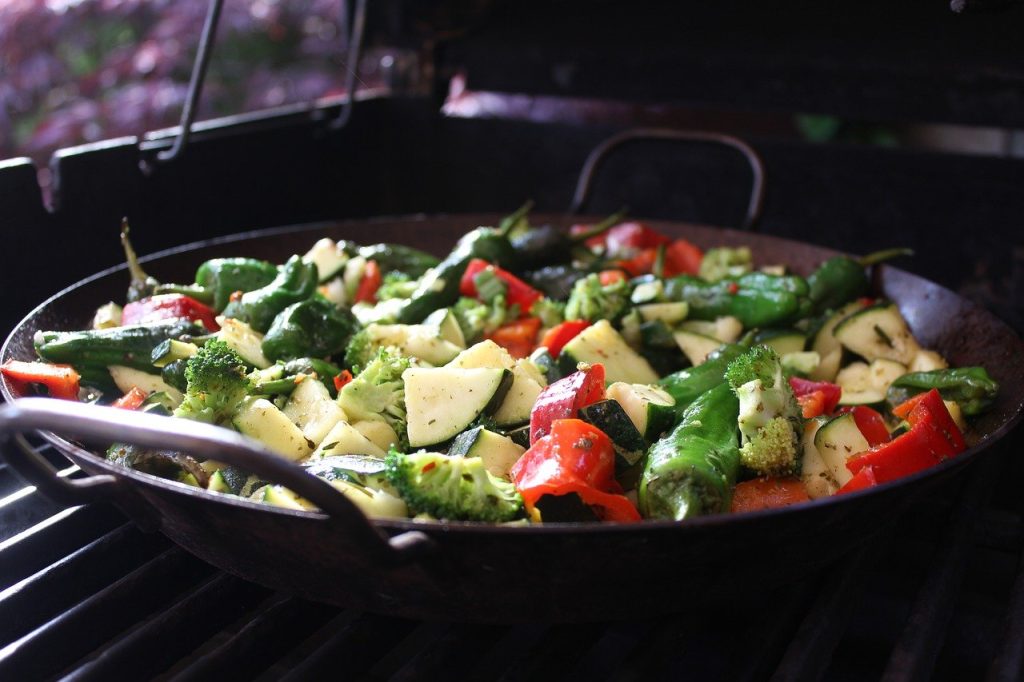
Stir-frying is similar but often involves constant stirring and is done in a wok. This technique is common in Asian cuisine and is excellent for retaining the nutrients in veggies.
Stir-frying Steps:
- Prepare all your ingredients before starting since stir-frying happens quickly.
- Make sure your wok or pan is very hot before adding oil.
- Add your ingredients in this order: aromatics first, then protein, and finally vegetables.
3. Roasting
Roasting is a dry-heat cooking method that is ideal for meats and vegetables. It allows for caramelization, resulting in rich flavors and textures.
Roasting Techniques
To achieve perfectly roasted dishes, here are some essential guidelines:
- Temperature Matters: Preheat your oven; a hot start helps ingredients caramelize.
- Use a Rack: Elevate the food on a rack in your roasting pan to allow air circulation.
- Baste for Moisture: Periodically basting meats keeps them juicy.
Vegetables vs. Meats
For vegetables, roasting time may vary based on their size and type. Meats like chicken or beef can benefit from a higher temperature for a crispy exterior.

4. Baking
Baking is a technique that involves cooking through dry heat in an oven. It’s not just for desserts; master it, and you can create various savory dishes as well.
Baking Essentials
Start with the basic principles of baking. Pay attention to key factors:
- Ingredient Temperature: Many recipes specify room temperature for ingredients like eggs or butter for better consistency.
- Measure Accurately: Baking is science; precise measurements result in better outcomes.
- Know Your Oven: Different ovens may have variances in temperature accuracy; own a good oven thermometer.
Practical Baking Tips
Always preheat your oven before placing anything inside. For a golden crust on bread, use steam in the oven during the first phase of baking by adding water to a tray positioned below.
5. Grilling
Grilling adds a delicious smoky flavor to food. It’s versatile enough to accommodate meats, vegetables, and even fruits.
Outdoor vs. Indoor Grilling
Differentiating between outdoor grilling and indoor methods, such as using a grill pan, can affect the flavor and presentation.
Grilling Techniques
To get the best results when grilling:
- Oil the Grate: Prevent sticking by brushing your grill grates with oil before heating.
- Different Cuts, Different Techniques: Direct grilling works best for steaks, while indirect grilling is suited for larger cuts.
- Let It Rest: Allow grilled meats to rest before slicing to keep in the juices.
6. Steaming
Steaming is one of the healthiest cooking methods as it preserves nutrients and flavors. It’s often used for vegetables and fish.
Steaming Methods
There are several ways to steam, including:
- Using a Steamer Basket: Place your ingredients in a basket over boiling water.
- Microwave Steaming: Place food in a microwave-safe container with a little water and cover.
Benefits of Steaming
Steamed foods typically retain more vitamins and minerals compared to boiling. It’s also a great way to prepare food without added fats.
7. Poaching
Poaching is a gentle cooking method that involves submerging food in a simmering liquid. It’s particularly popular for eggs, poultry, and fish.
Poaching Techniques
Everything you need to know about poaching can be summarized as follows:
- Choose the Right Liquid: Water, broth, or seasoned liquids work well, depending on what you’re cooking.
- Ideal Temperature: Keep the liquid between 160-180°F (71-82°C) for optimal results.
Poaching Tips
Avoid overcooking by monitoring your protein carefully. Whole foods like fish can take only a few minutes to cook properly.
8. Braising
Braising is a technique that combines both dry and wet cooking methods. You start by searing food, then cooking it slowly in liquid.
Braising Process
To achieve beautifully braised dishes:
- Sear First: Start by browning the food in a pot to lock in flavors and create a base.
- Add Liquid: Pour in enough liquid to cover about one-third of the food.
- Cook Low and Slow: Cover and let it simmer gently; patience is key!
Best Foods for Braising
Tough cuts of meat benefit most from braising. They become tender and flavorful after long cooking times.
9. Blanching
Blanching involves briefly cooking vegetables in boiling water, then shocking them in ice water. This process enhances color and flavor while retaining nutrients.
Blanching Technique
Generally, the blanching process requires:
- Boil Water: Always salt the water for additional flavor.
- Time it Right: Cook the vegetables just long enough to brighten their color and slightly tenderize them.
- Ice Bath: Transfer immediately to an ice bath to halt cooking, preserving both texture and color.
10. Sauce Making
A well-made sauce can elevate any dish, adding layers of flavor and complexity. Mastering a few basic sauces can open up a world of culinary possibilities.
Basic Sauces to Master
Here are three classic sauces every home chef should know:
| Sauce Name | Basic Ingredients | Use |
|---|---|---|
| Béchamel | Milk, butter, flour | Base for many creamy dishes |
| Tomato Sauce | Tomatoes, garlic, olive oil | Pasta, pizza, and more |
| Vinaigrette | Oil, vinegar, mustard, seasonings | Salads and marinades |
Tips for Sauce Perfection
Always taste and adjust your sauces. A pinch of salt or a dash of acidity can make a significant difference in flavor.
Conclusion
Mastering these essential cooking techniques can significantly enhance your cooking skills and overall culinary experience. Whether you’re looking to impress friends and family or simply enjoy delicious meals at home, investing time in learning and perfecting these techniques is worth it. As you grow more comfortable and adventurous in the kitchen, you’ll discover new flavors and dishes that excite and satisfy. Happy cooking!